
San Francisco Bay Bear Boats
A living piece of the Bay’s maritime heritage, 1932–present
SAN FRANCISCO BAY has never been kind to small boats. The great body of water stretching from the Golden Gate to the Sacramento–San Joaquin Delta is a place of extremes — gentle morning calms giving way to howling afternoon westerlies at twenty-five knots or more, short steep chop that punishes anything without a proper hull, and fog that can reduce visibility to nothing in minutes. It was into this arena that a small wooden sloop emerged in the summer of 1932, built in a Sausalito boatyard by Portuguese craftsmen whose families had shaped vessels on these shores for decades. She was the first of sixty-nine, and the class she spawned would become the largest one-design fleet on San Francisco Bay.
Origins: Sausalito and the Nunes Brothers
From the Azores to the waterfront — a family of builders
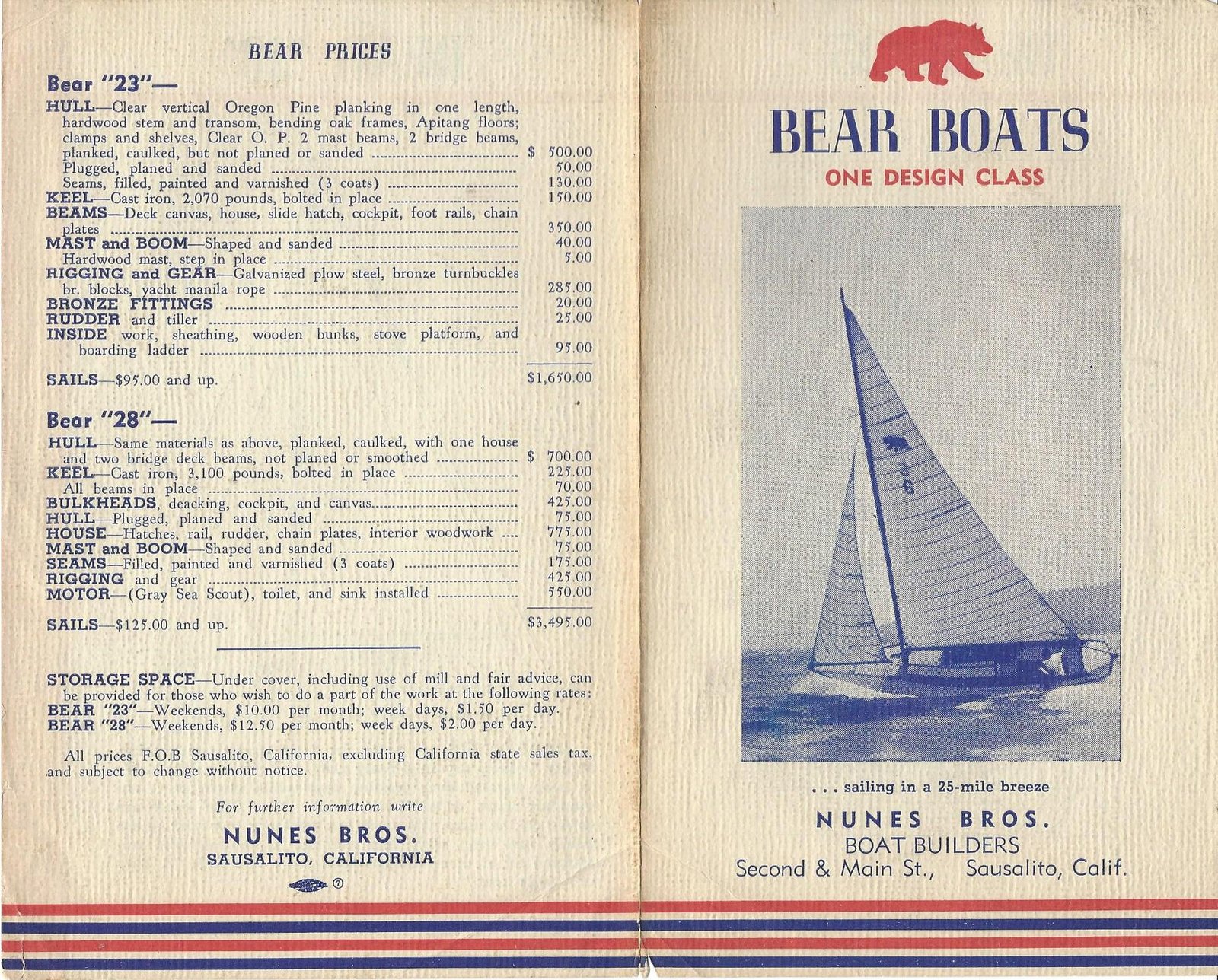
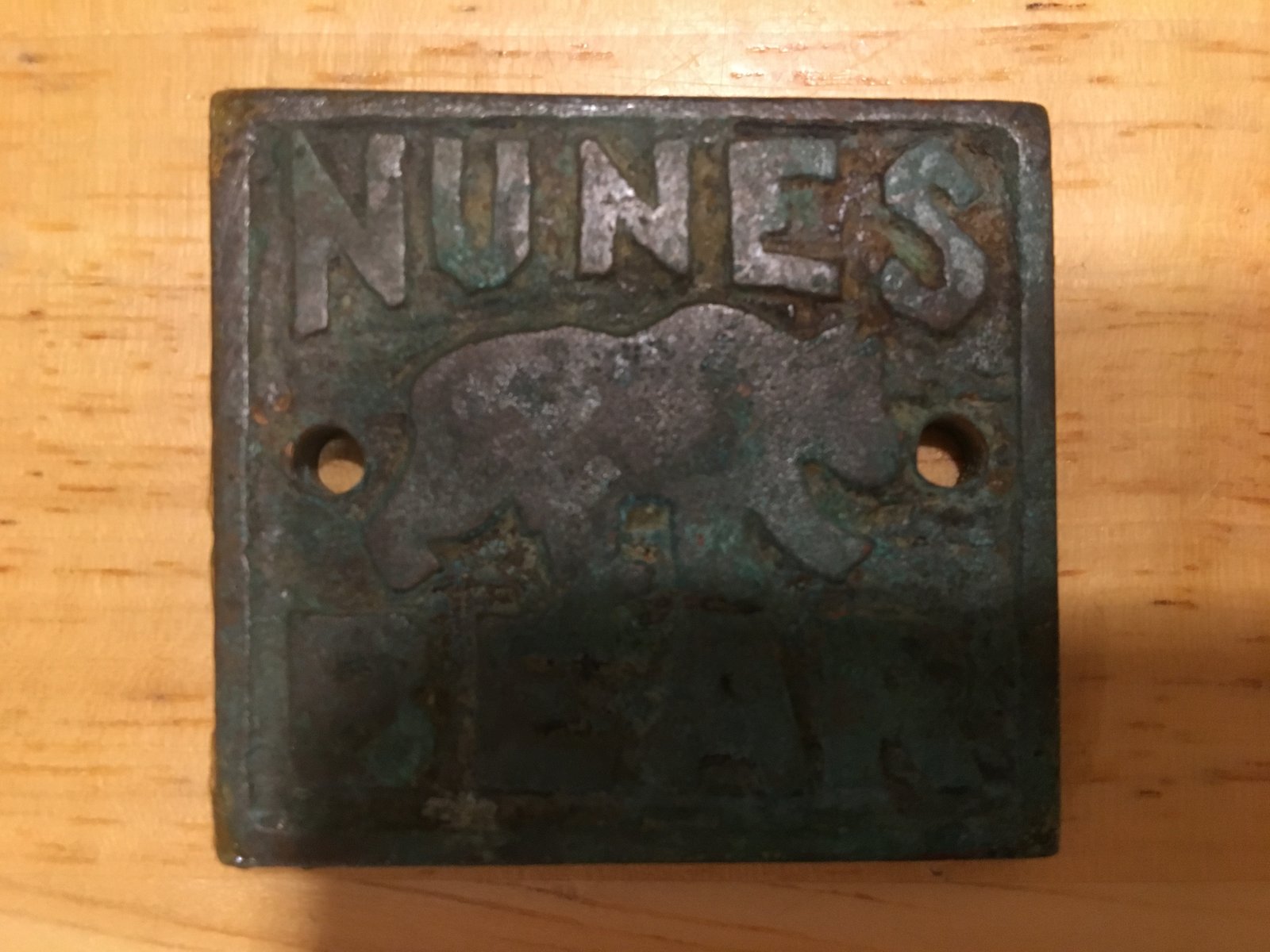
The story begins in Sausalito, the Bay Area’s premier boatbuilding center by the late 1920s — a dense cluster of yards, ways, and workshops strung along the waterfront where the smell of fresh-sawn Port Orford cedar and hot caulking pitch hung in the salt air. Among the most capable builders were the Nunes brothers. Manuel and Antonio Nunes had emigrated from the island of Pico in the Azores and begun boatbuilding on the Sacramento River around 1898. In 1925, they relocated to Sausalito and established Nunes Brothers Boat and Ways. Ernest — "Ernie" — Nunes, just fifteen at the time of the move, would grow into one of the most talented yacht designers the Bay Area ever produced.
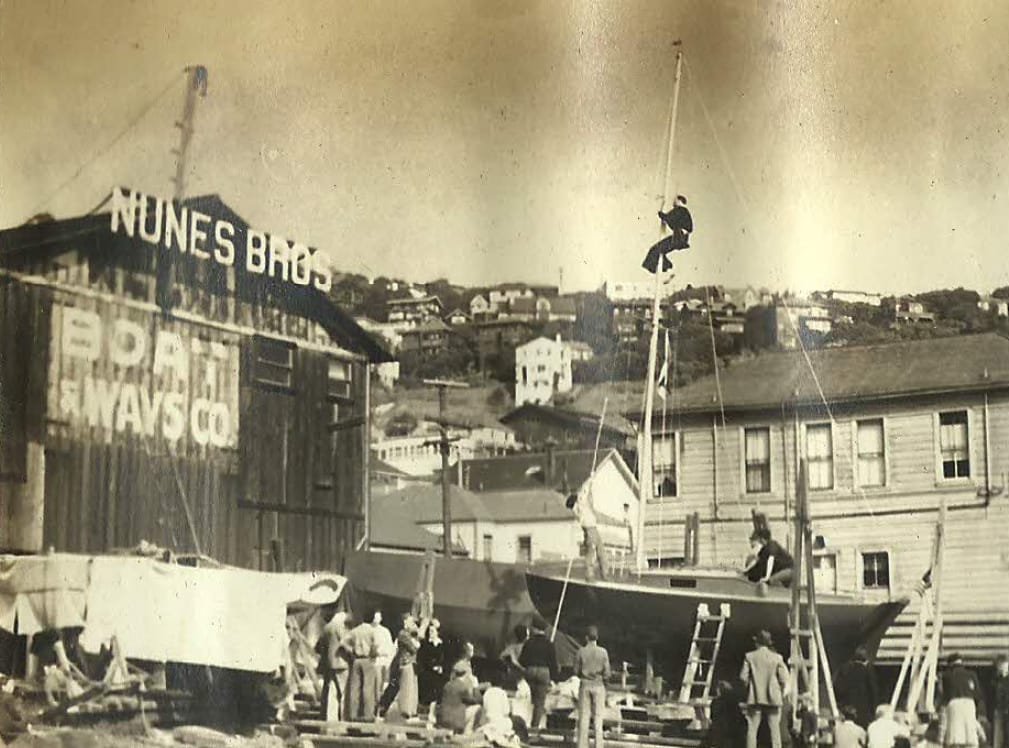
The Nunes yard quickly earned a reputation for ambition and quality, launching vessels ranging from sixty-six-foot racing yawls to 112-foot tuna clippers and the 127-foot schooner Zaca, later owned by Errol Flynn. But it was a much smaller boat — barely twenty-three feet long — that would become their most enduring legacy.
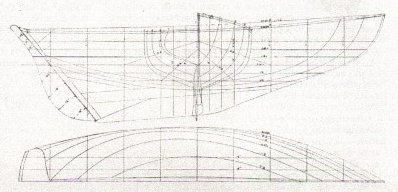
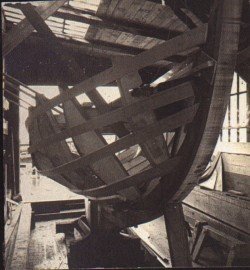
In 1929, Ernie Nunes sat down with his friend Marty Martinsen, an experienced Bay sailor, to design something new: a small racing sloop purpose-built for Bay conditions that ordinary people could afford. What they drew was a 22-foot, 11-inch sloop displacing 4,400 pounds, nearly half of which was concentrated in a cast iron keel. The sail plan was moderate at 280 square feet. She was designed not for speed in light air but for stability and power when the afternoon westerlies came screaming through the Gate. The construction was straightforward — pine or Philippine mahogany planking over oak frames — a boat that a competent amateur could build from plans. That accessibility was entirely the point.
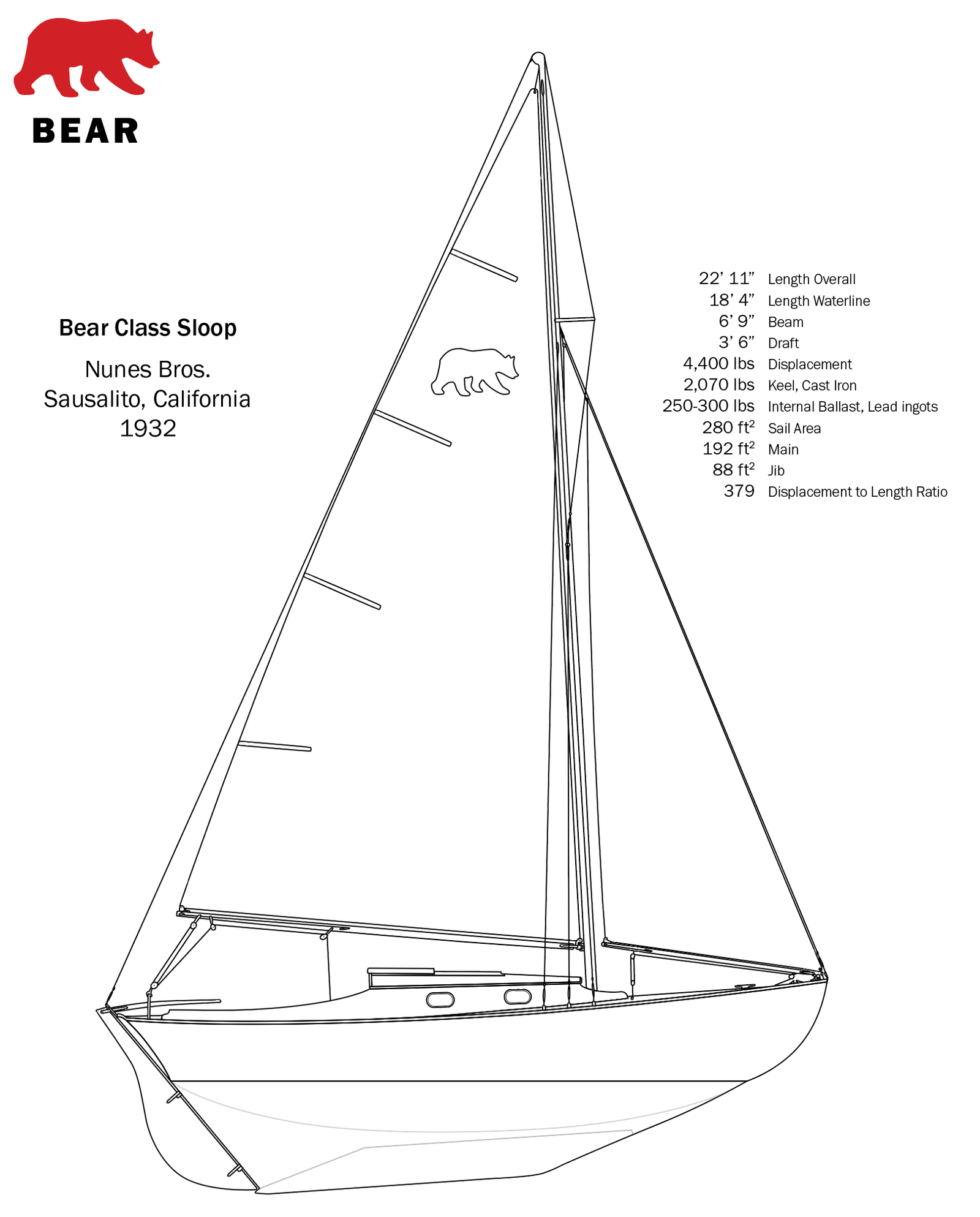
The first keel was laid in late 1931. By the summer of 1932, she was ready — a small, handsome sloop with a California grizzly bear painted on her mainsail and the name Merry Bear on her transom. When presented to Commodore Cliff Smith of the San Francisco Yacht Club, he reportedly declared: "That is a bear of a boat!" The name stuck, and the class had its identity.
"That is a bear of a boat!"
Commodore Cliff Smith, San Francisco Yacht Club, 1932
Nunes refined the design after those first trials, and subsequent boats were built from a second, improved model. A building jig was constructed to facilitate framing. After the first five boats were built, Nunes, Martinsen, and the owners formed the San Francisco Bay Bear Boat Association and applied for recognition as a Yacht Racing Association one-design class. To meet membership conditions, the boats were retrofitted with self-bailing cockpits, and the Bear Class was officially recognized.
Struggle and Revival on Treasure Island
A poor man’s yacht club saves the class
Growth came slowly. By 1937, only seven Bears were built or under construction, and the YRA withdrew official recognition. The young class appeared to be dying before it had properly begun. What saved the Bears was an unlikely alliance with the Richmond Yacht Club — a self-described "poor man’s yacht club" founded in a tin shed in 1932. Richmond members discovered the Bear design and recognized it for what it was: a serious racing boat that a handy person could build at home, with keel ballast available for roughly $100. In the late 1930s, more than a dozen members began building hulls in their backyards and garages, transforming the fleet almost overnight.
The moment that cemented the class arrived in 1939, against the most spectacular backdrop imaginable. The Golden Gate International Exposition — San Francisco’s World’s Fair — had opened on Treasure Island, and the YRA organized a regatta as part of the festivities. Bear sailors worked furiously to bring the fleet up to the minimum required for reinstatement. Jay Vincent finished his new Pola (Hull #8) just days before the event — the paint barely dry. Racing off Treasure Island with thousands of fairgoers watching, Vincent sailed a brilliant race and won, clinching the Bear Class’s qualification. The little Bears had proved they could hold their own, and the class was officially back.
The Golden Age
The largest one-design class on San Francisco Bay
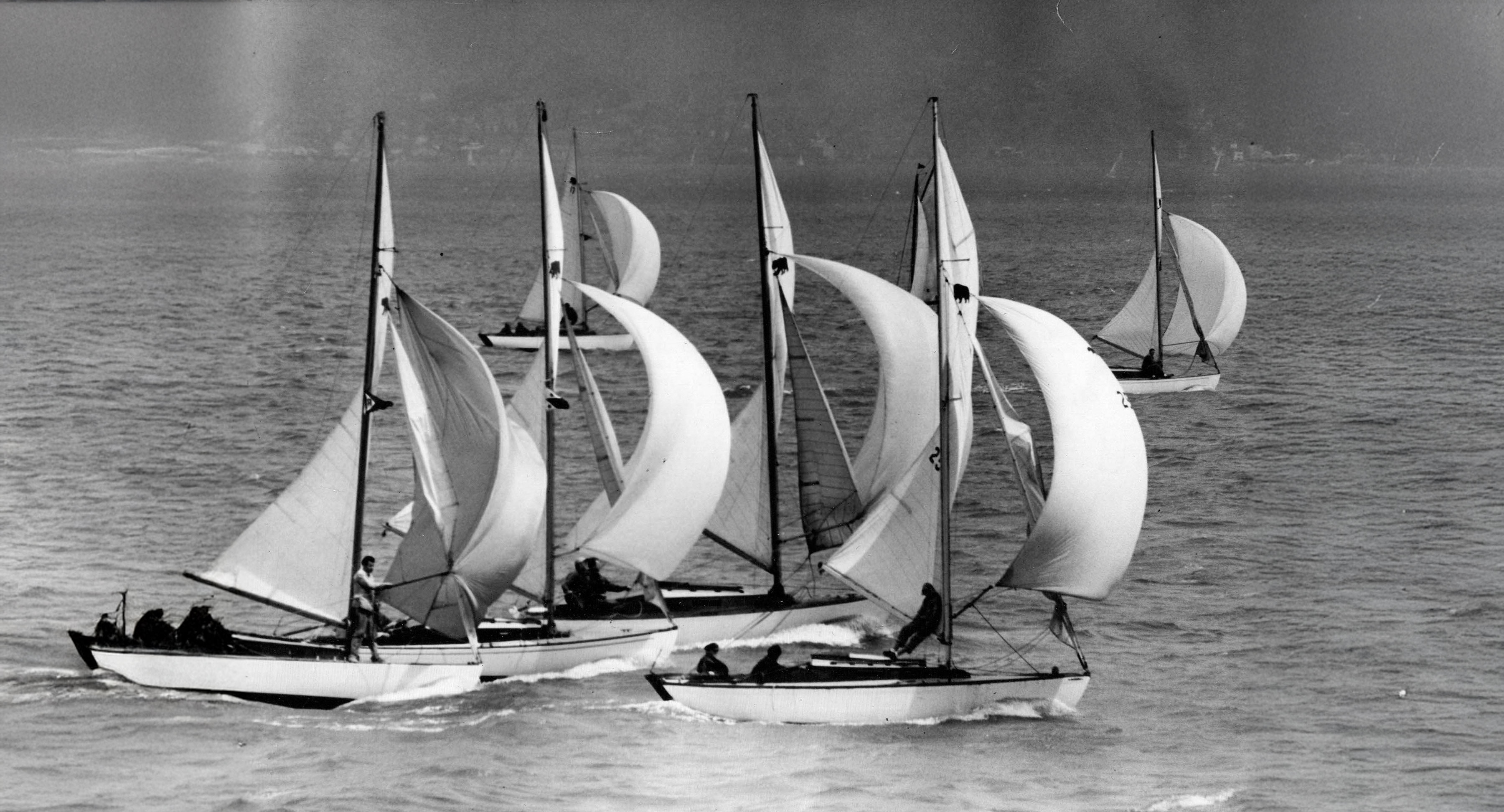
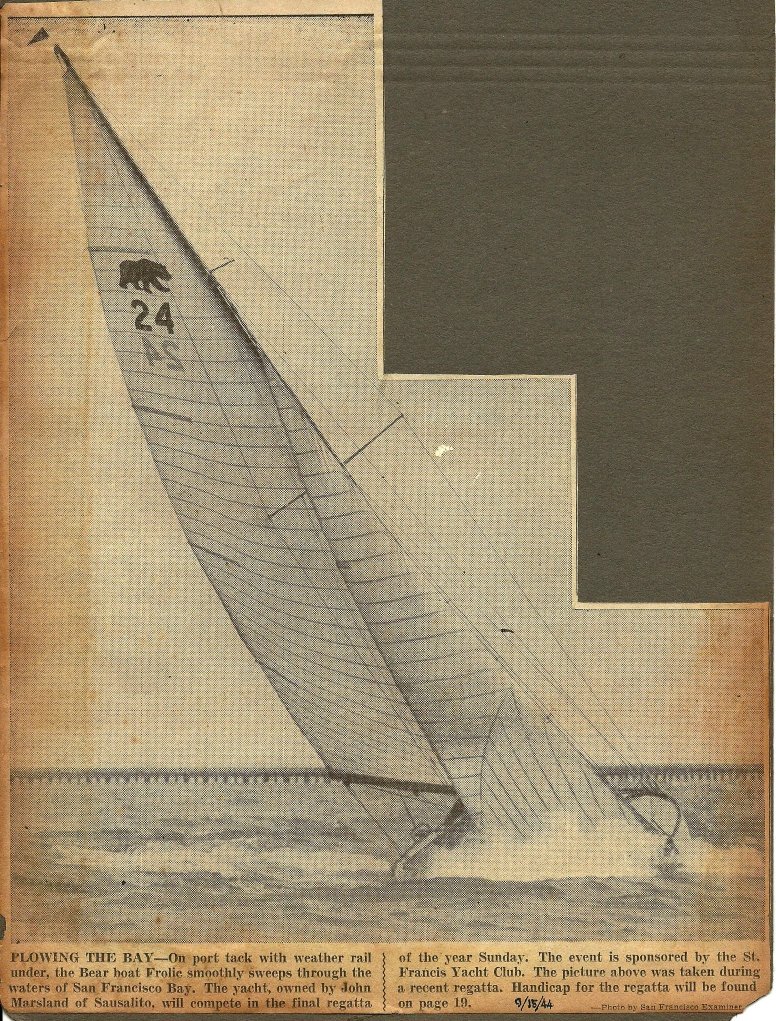
The postwar period brought explosive growth. Returning veterans with boatbuilding skills, a booming economy, and the accessibility of the Bear design combined to produce a wave of new hulls from both professional builders and amateurs up and down the Bay. By the late 1950s, the Bear Class had achieved a distinction no other wooden one-design class on San Francisco Bay would match: it became the largest one-design class on the Bay, with dozens of boats actively racing, their distinctive mainsails — each bearing the iconic California grizzly insignia — a common sight on the Central Bay, Berkeley Circle, and City Front racecourses.
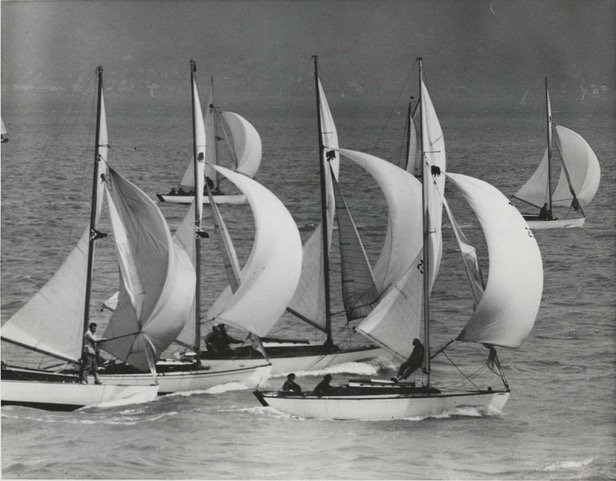
What distinguished the Bears from the other wooden classes of the era — the elegant Bird Boats, the ocean-going Farallone Clippers, the lighter Mercury class — was accessibility. The Bears hit a sweet spot: small enough to be built at home, heavy enough to be safe and competitive in strong wind, and designed with forgiving handling characteristics that rewarded developing skill without punishing occasional mistakes. It was the everyman’s racing boat, and the fleet size reflected it.
In identical boats, margins were measured in seconds — races won or lost on a better read of the current, a smoother tack, a willingness to carry sail a moment longer than the competition.
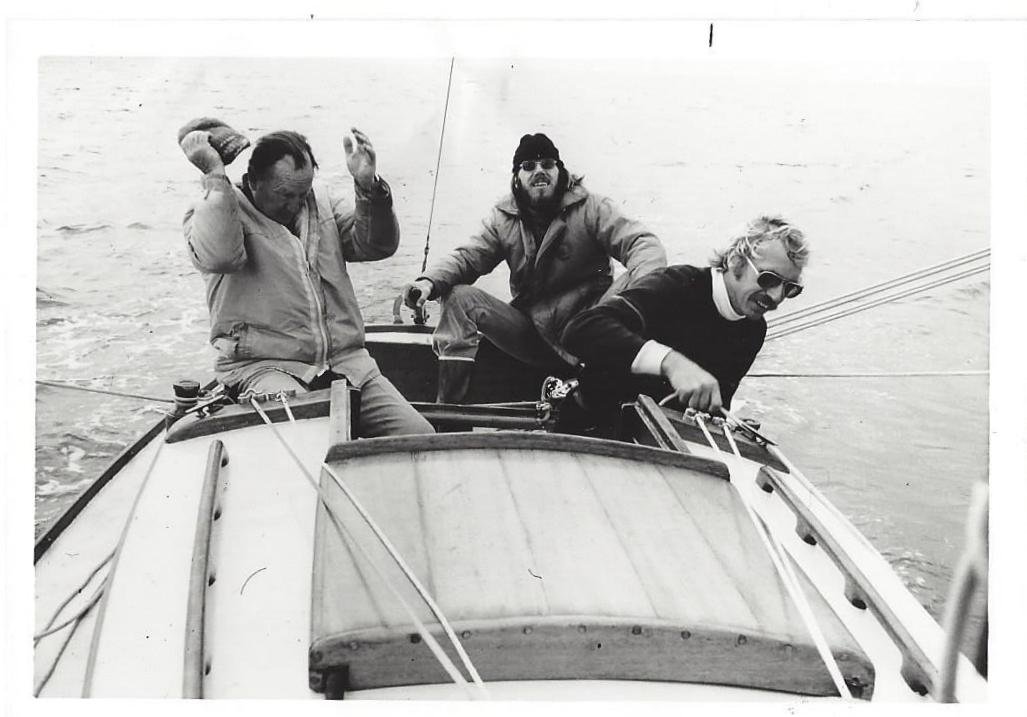
Racing was fierce and social in equal measure. The one-design rules enforced strict competitive equality: sail dimensions were precisely specified, renewals restricted to once every two years, and haul-outs limited to twice per season. This was a fleet where the sailor, not the checkbook, determined the outcome.
The Quiet Years and the Modern Revival
Decline, devotion, and the long road back
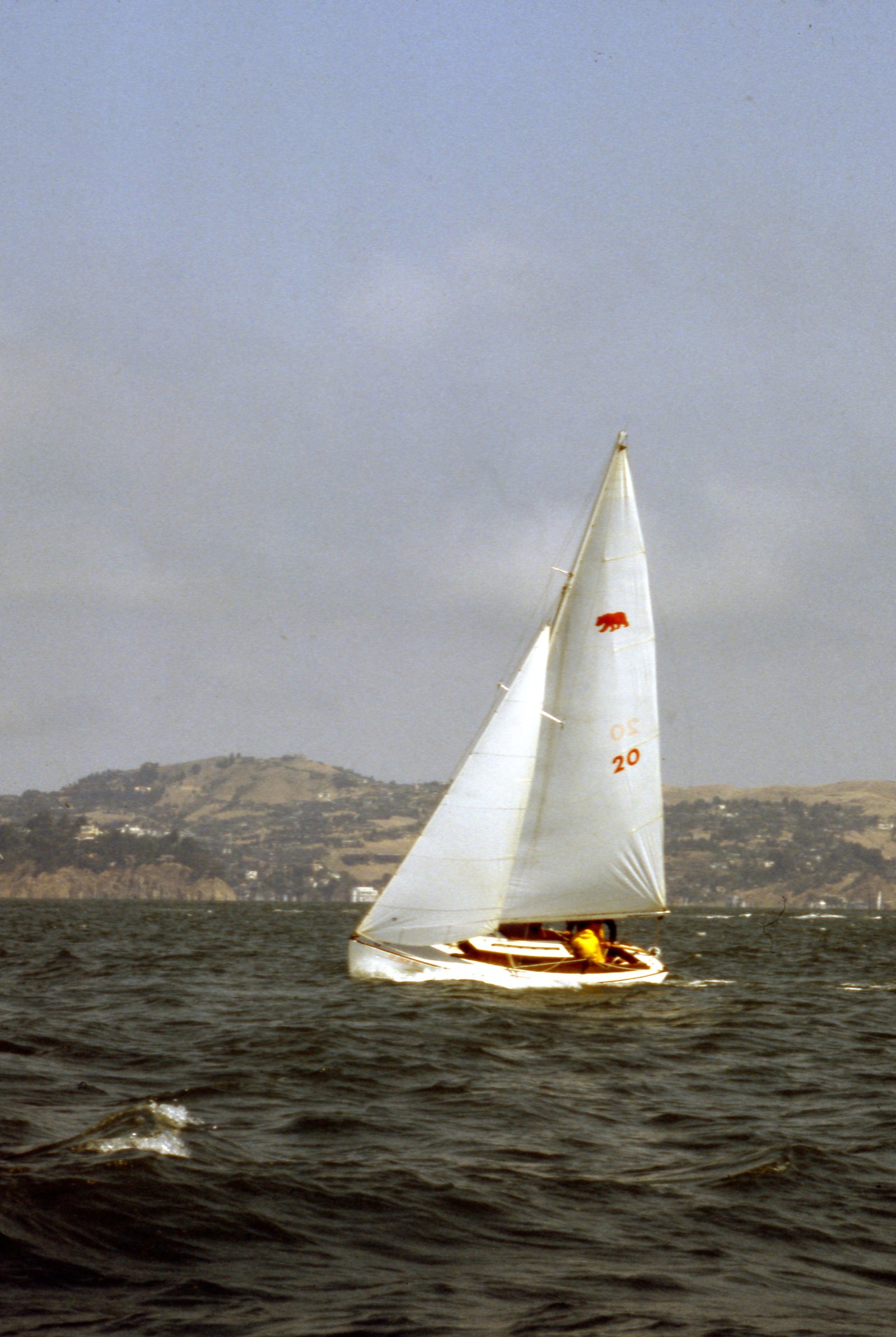
After the mid-1960s, the story followed a pattern familiar to all wooden boat fleets. The boats aged. Their owners aged with them. Fiberglass construction revolutionized yacht building, and new classes drew younger sailors away. From a peak of perhaps forty or more boats actively racing, the fleet gradually contracted. Some Bears were hauled out and neglected; others were deliberately destroyed. Yet a core group of dedicated owners — Steve Robertson in Smokey, Scotty Cauchois in Trigger, Glenn Tresser in Chance — continued to race through the quiet decades, maintaining their boats with the stubborn devotion that wooden boat ownership demands.
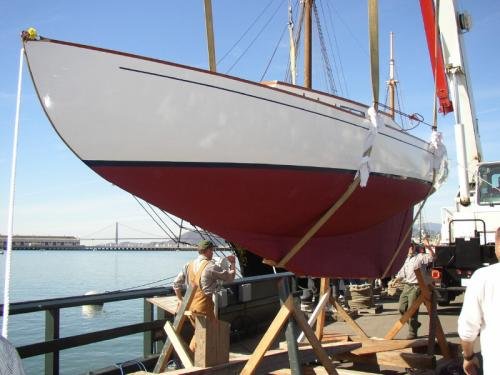
The revival coalesced in the 2000s and 2010s around several parallel efforts. The Bear Boat Trust was established as a non-profit to rescue and restore boats, working in partnership with the Spaulding Wooden Boat Center in Sausalito, which donated yard space and expertise. The Sausalito Cruising Club offered to serve as custodian of restored Bears, providing dock space and a charter program that put boats back on the water.
The emotional high point came on October 20, 2012, when eight Bears sailed into the Aquatic Park Lagoon at San Francisco Maritime National Historical Park to celebrate the 80th birthday of Merry Bear, Hull #1 — wearing a set of new 1930s-replica sails hand-crafted by the park’s Small Boat Shop.
Toward the Centennial
Sixty-nine hulls, one enduring legacy
Between 1932 and 1976, sixty-nine Bear hulls were built — each assigned a sequential number, each carrying the California grizzly on her mainsail. Of those sixty-nine, approximately twenty-nine are confirmed lost. The rest survive in states ranging from peak racing condition to long-neglected hulks awaiting rescue. No one is building new Bears, and every hull lost to neglect or destruction is irreplaceable. The patient, unglamorous work of preservation — replacing planks, refastening frames, recaulking seams — is the work that will determine whether Bears are still racing on the Bay when the class celebrates its centennial in 2032.
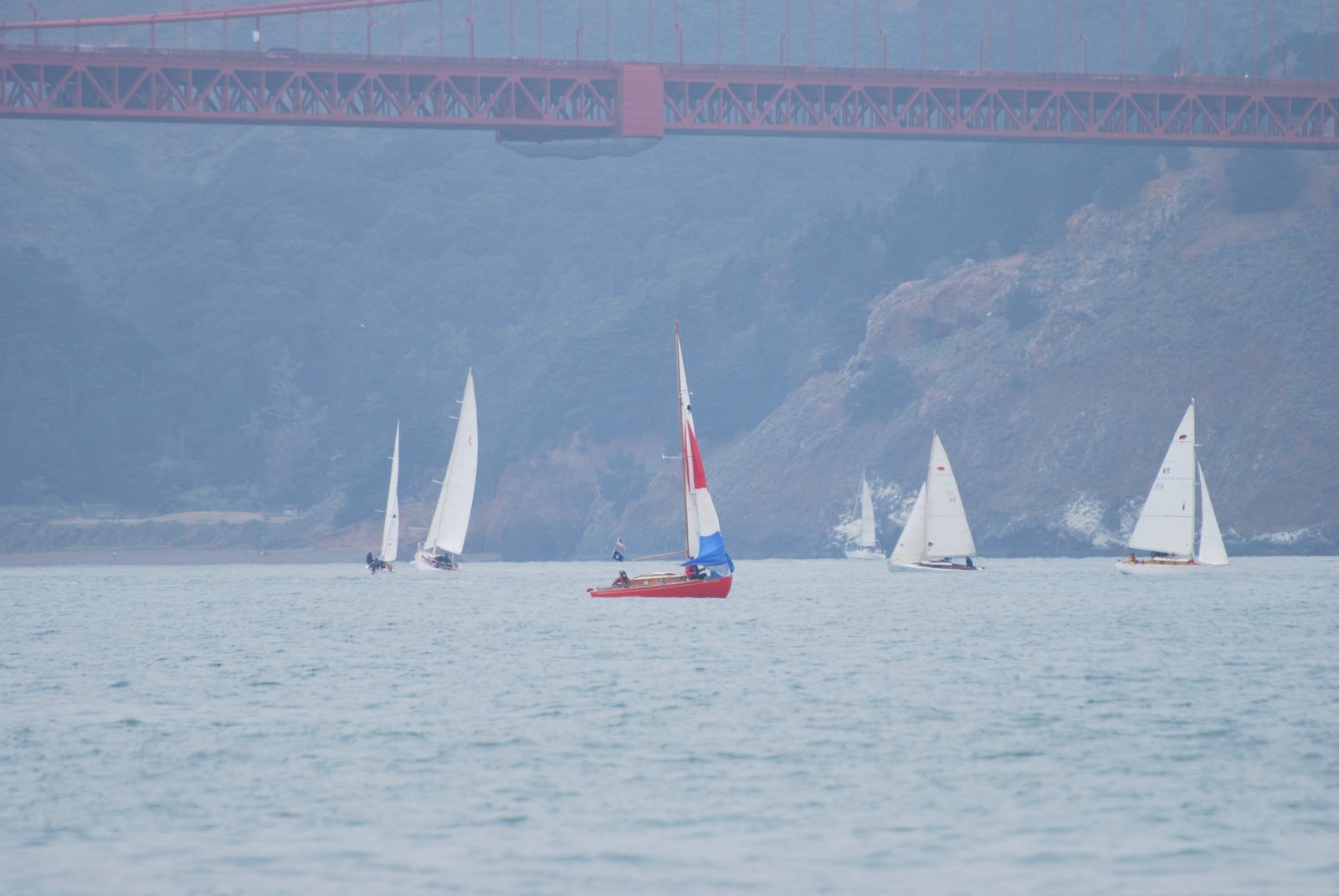
The Association continues as an all-volunteer organization, governed by Articles of Association revised seven times since the 1940–41 founding but retaining the same essential structure: one vote per boat, strict one-design rules, and a commitment to competitive equality that honors the class’s origins. Today the actively sailing fleet races under the Wooden Boat Racing Association banner, competes in the Master Mariners Regatta every Memorial Day, and appears at heritage events throughout the season — the Jessica Cup, the Belvedere Classic, the St. Francis Woodies Invitational, and more.
They are wooden boats, built by hand, sailed by people who love them, racing on the same water where they have raced for nearly a century. That has always been enough.
On any given racing day, you can still see them on the Bay — those sturdy little sloops with grizzly bears on their mains, heavy hulls punching through the chop, crews hiking out as the afternoon westerly builds. They are not fast by modern standards. They do not plane or foil or fly. They are wooden boats, built by hand, sailed by people who love them, racing on the same water where they have raced for nearly a century.